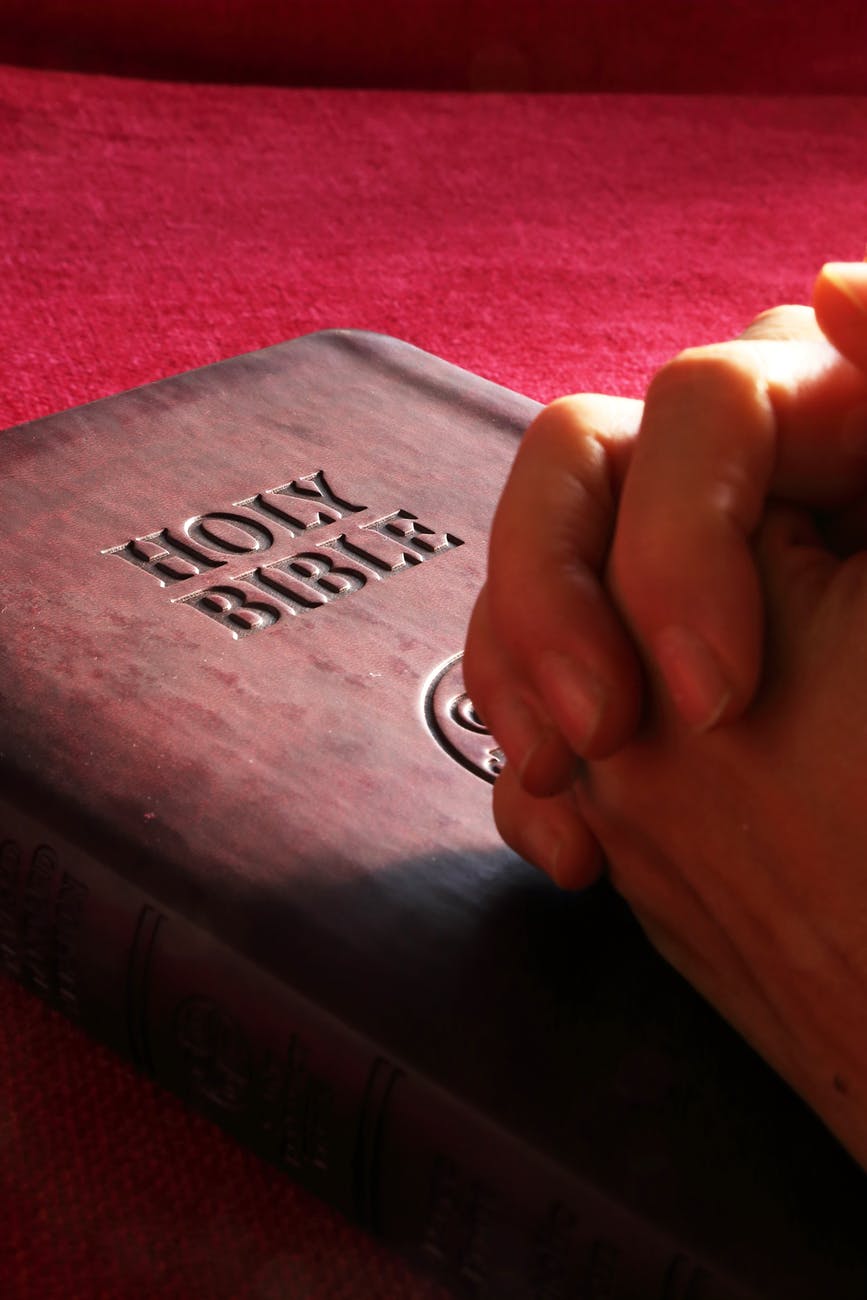
In the Book of John, during the last hours before His unlawful arrest, Jesus taught His disciples some of the most profound and important Christian doctrines, in my opinion (John 14-16). His teachings are truly spirit and life (John 6:63, 68). Embedded in these few chapters of John is where Jesus introduced the instruction for His disciples to pray in His Name (John 14:13-14; John 15:16; John 16:23-24).
In that day you will ask in my name, and I do not say to you that I will ask the Father on your behalf; for the Father himself loves you, because you have loved me and have believed that I came from God.
John 16:26-27 (ESV)
What did Jesus mean exactly for his disciples to pray in His Name? The disciples no doubt experienced the amazing power of Jesus’ Name as they casted out demons (Luke 10:17-19). Was it this same authoritative power that Jesus was now giving them in their prayers?
One clear instruction from Jesus is that our prayers should be addressed to the Father (Matthew 6:6, 9; Luke 11:2, 13; John 15:16; John 16:23). Unlike the demons that the disciples encountered (Luke 10:17), God the Father does not fear the name of Jesus; He loves Jesus (Luke 3:22; John 3:35; John 5:20; John 15:9). Furthermore, unlike the demons, God the Father does not submit to Jesus; He submitted all things under Jesus (Matthew 11:27; Matthew 28:18; John 3:35; John 10:29; John 14:28; Ephesians 1:20-22; Philippians 2:9). Jesus revealed much in John 16:26-27 about what He meant when He was instructing His disciples to pray to the Father in His Name.
I want to share with you my meditations on the verses above in hopes that you may be encouraged tremendously as I was by the words of our blessed Savior, encouraged to pray always to God in Jesus’ Name.
“In that day…”
Throughout His ministry He had been telling His disciples that He came from the Father to do the Father’s will of redeeming sinners (John 3:13-16; John 5:19-24; John 5:36; John 6:38-40; John 8:28, 37). Jesus shared with His disciples details about His death (Luke 9:21-22, 44; Luke 18:31-33). Jesus now is telling them that He is returning to the Father (John 14:2-3, 12, 28; John 16:5, 7, 10, 28). In that day (John 14:20; John 16:26) after His redemptive work is finished and His Spirit comes (John 14:26; 15:26; 16:13-14, 25; John 20:22), those disciples will grow in their understanding about the Father (John 1:18; John 14:8; John 16:25).
“…You will ask…”
Asking is a huge part of praying. In Jesus’ teachings about prayer, He uses the word “ask” (Matthew 6:8; Mark 11:24; Luke 11:9-13; John 16:23-24). Never once did Jesus teach his disciples to declare, decree, or command in His Name. The word “ask” naturally places the asker in the lower position relative to the One from whom she is asking. In other words, in prayer there is always the receiver and the Giver, the lesser and the Greater, the one who lacks and the One who has.
“…IN MY NAME and I do not say to you that I will ask the Father on your behalf…”
Most importantly, we do not pray to the air, or some force or spirit, or utter empty words and wishes. On the contrary, we are asking the Sovereign, the Creator, the Almighty. This is how His Jewish disciples during those times would have understood His reference to God as “the Father” (John 5:17-18). In the words of Melchizedek, we pray to “God Most High, Possessor of heaven and earth” (Genesis 14:19).
Jesus’ redemptive work accomplished for us more than what we could ever have imagined. He bore the punishment of our sins against God on that cross. And, His righteousness (the righteousness of God) transfers, or is imputed, to us who believe. In that day after Jesus was glorified (John 17:1), salvation was made secured for those who would believe in the death and resurrection of Jesus (John 20:30-31; Romans 4:24-25; Romans 5:8-11; 1 Corinthians 15:17). The curtain that once separated sinners from holy God had been torn open (Hebrews 10:19-22). Jesus makes it clear here that believers have direct access to God the Father through Him (John 14:6).
“…for the Father himself loves you, because you have loved me and have believed that I came from God.”
The word “because” in this section of the passage indicates clearly that the Father’s love for us is God’s response to our love and belief in Jesus. We already know from Jesus that God so loved the world (John 3:16). But, this phrase here now teaches that there is a special kind of greater love the Father gives to those who believe that unbelievers do not receive. Here, Jesus is telling His disciples of this specific love relationship between God and His believers (John 14:21, 23). In essence, God hears our prayers directly and answers us accordingly to that special love relationship we have with Him in Jesus (John 17:23, 26). In the words of Paul in Romans 8:32, “He who did not spare his own Son but gave him up for us all, how will he not also with him graciously give us all things?” This is how a Christian can have humble confidence in praying.
conclusion
A sinner saved by grace. A former enemy now loved with mercy. A wretch graciously loved by God. This is the correct identity of one who understands and believes in the Gospel. This is how we are to approach the holy throne of God the Father – with great humbleness, overwhelming gratitude, and sincere worship, resting confidently on the merits of Christ alone. Anyone who asks the Father for anything with this heart posture is indeed asking in Jesus’ Name.
I don’t know about you, but my mind was blown as I meditated on Jesus’ words in John 16:26-27. What comfort it must have been to His disciples to hear those words! What comfort are they to us now! And how profound the depth of their meaning! What now can stop us from praying to God? What can take away our confidence in praying? Jesus has overcome this world (John 16:33).
My dear sister in Christ, may you be encouraged to never cease praying in Jesus’ Name. May our love for Jesus continue to grow. Think often about His Gospel remembering that we love Him because He first loved us (1 John 4:19). LORD, open our eyes to Your ways and lift our burdens!
 Redeemed Woman
Leave a comment